Triads Are People Too: A Sleeping Dogs Interview.
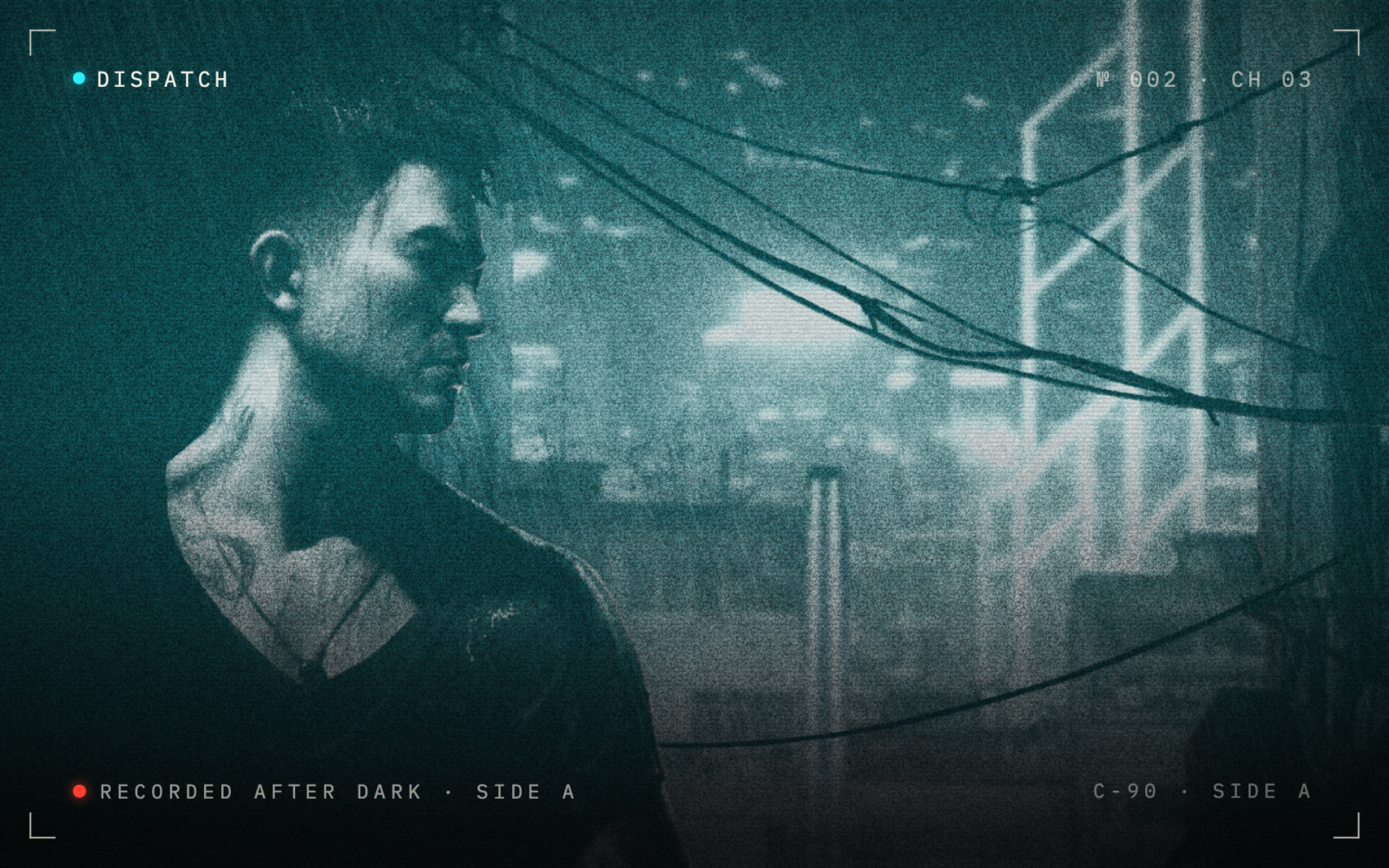
Some time ago, I noticed that quite a few of the conversations I had with some of my fellow pork bun devotees Sleeping Dogs fans began with the polished gameplay, and then easily steered themselves into story elements and character motivations.
It was almost as if, in between missions, kung fu training, and boisterous street vendors, we had all been participants in one of the most engaging interactive crime dramas ever made. Even after I had let the subtleties of the Hong Kong underground fade, there was enough left over to get me wondering if there might be more than met the eye to Wei Shen’s tumultuous journey.
It’s a good thing, then, that UFG’s Mike Skupa (Design Director) and Tim Carter (Writer) just so happened to drop by and answer some of my most pressing questions.
Thanks so much for making the time to chat with me today. I have so many questions! But I’ll just hit you with a few, in the interests of not keeping you all day. Sleeping Dogs is, in a lot of ways, a love letter to both Hong Kong cinema and American Crime dramas. Could you name a few of the films that served as inspiration for the game’s story and visual aesthetic?
Tim: Yes, there were actually a lot of them. Infernal Affairs, obviously and Donnie Brasco were really big influences. Korean Cinema, more so, because they’ve taken a more serious approach to the action. TV shows right now are doing a lot more interesting things with characters. The Wire, for instance, was a big influence, not because of the undercover aspect but because of the ambiguity it presented.
In several instances, Sleeping Dogs portrays criminals, otherwise known as the Sun On Yee, as loyal, often compassionate individuals, while at the same time, shedding a very different light on those representing law and order. Could you describe the development process behind this reversal of traditional roles?
Tim: We spent a lot of time making sure that, above all, the characters in the world of Sleeping Dogs felt real. I think we all know that heroes are an easy sell. We were more careful about having well-rounded characters all around Wei, because we felt that villains twirling their mustaches were boring. In that way, we didn’t really set out to create that dichotomy, as much as we wanted the story we were telling to ring true.
Heroes are an easy sell. We were more careful about having well-rounded characters all around Wei, because we felt that villains twirling their mustaches were boring.
Could you describe some of the design elements used to ensure Wei Shen remains a sympathetic character throughout the game?
Mike: Well, Wei was something of a loose cannon during his time with the police force, so that’s something we were very careful about. First and foremost, the violence throughout the game had to have a context and had to feel justified.
Tim: If you’ve ever watched The Wire, then you’re probably familiar with the phrase, “a man must have a code.” A lot of what happens around Wei and because of him is rooted in that idea.
Speaking of which: Wei Shen’s moral ambiguity or lack thereof is largely left up to the player. How did this freedom of/from morality affect the design of the game’s combat mechanics?
Mike: This is something we dealt with pretty early on in the game. Early on, you’re just fighting some guys in alleyways. As the game progresses and the circumstances grow darker, Wei begins using weapons. There aren’t a lot of them, but again, we were careful about when this happened and how. It’s a given that violence occurs throughout the game; the question is why. Does it feel gratuitous, or does it feel justified?
“A man must have a code.”
We deal extensively with corruption throughout our journey through the Hong Kong underworld. At the conclusion of Sleeping Dogs, would you describe Wei Shen as a Hero, Anti-Hero, Villain, or a mixture of all three?
Mike: Wei is a cop and a protector, first and foremost. At the same time, he’s definitely not a white knight. He causes a lot of harm and a lot of grief, but he stays true to his original code, which to me makes him a hero. In the end, however, it’s largely left up to the player.
Tim: Yeah, I think he’s a hero, but I ran over a lot of people, so someone else might say he’s an anti-hero.
Nice interview, with your sophisticated questions, now send me their signature!
I’m glad you enjoyed! Sadly, if you want Mike and Tim’s autograph, you’ll have to chase them around with a sharpie and an exposed cleavage, just like everyone else. :)